Attractions in Gdańsk

Gdańsk, one of the oldest and most beautiful cities in Poland, attracts tourists with its rich history, unique architecture and picturesque location by the Baltic Sea. Walking through its streets, discover the city where the past and present come together. The city offers many attractions that will delight both history lovers and culture enthusiasts. Below are four of the most important ones that are worth visiting during your stay in Gdańsk.

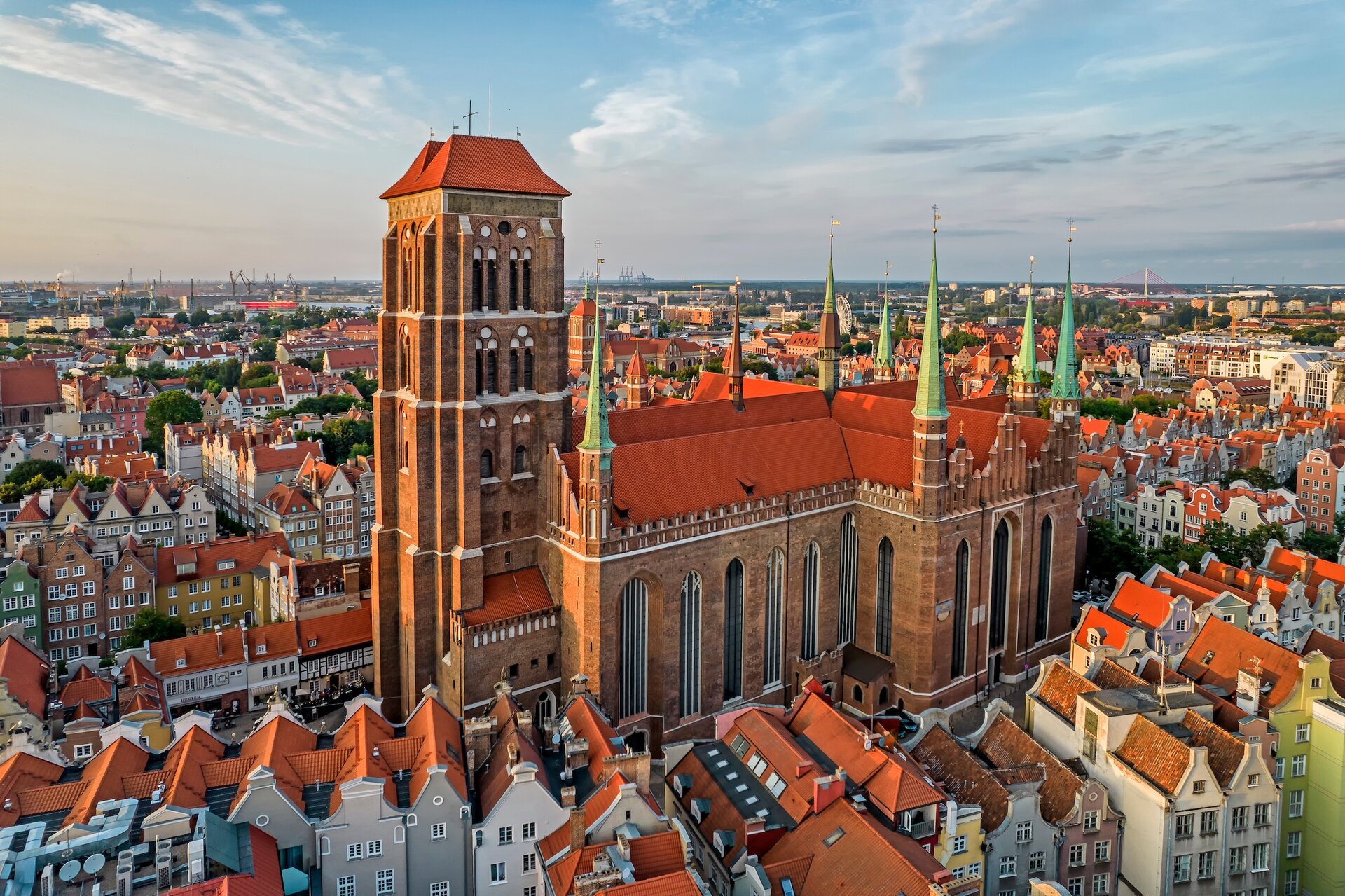
St. Marys Basilica - Gdansk, Poland Link to Larger Item Photo, ListItemCarouselImage1

St. Mary’s Basilica

St. Mary’s Basilica, also known as the Church of the Assumption of the Blessed Virgin Mary, is one of the largest brick churches in the world. Its construction began in 1343 and was completed in 1502, making it an impressive example of Gothic religious architecture. The interior of the basilica impresses with its spaciousness and wealth of works of art, including the famous 15th-century astronomical clock. The church tower, accessed by over 400 steps, offers a panoramic view of the entire city.

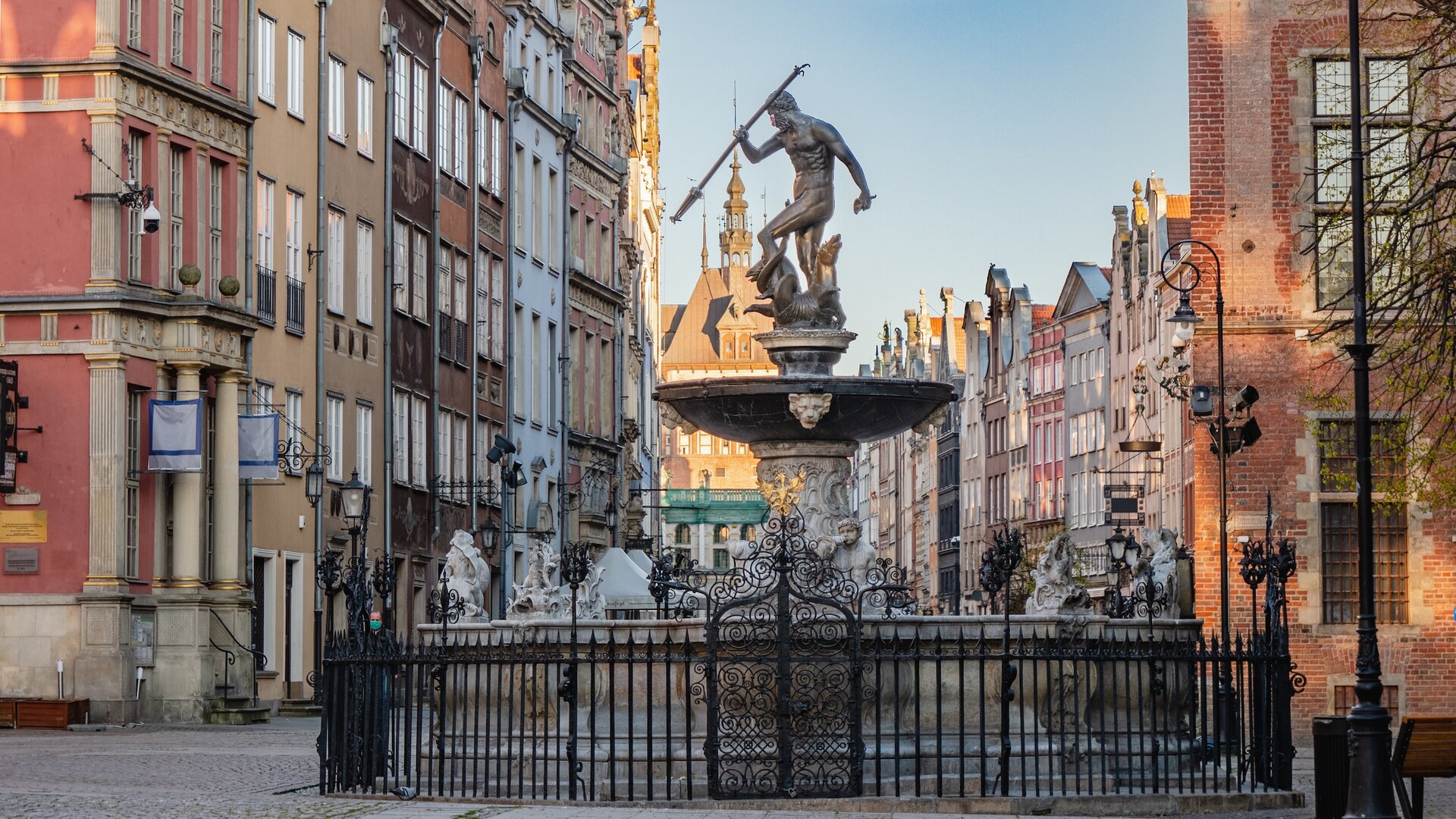
Statue of a man holding a sword in a fountain Link to Larger Item Photo, ListItemCarouselImage1

Neptune’s Fountain

Neptune’s Fountain, located on Długi Targ in front of Artus Court, is one of the most recognizable symbols of Gdańsk. Designed in the Dutch Mannerist style, it was completed in 1633. It depicts the Roman god of the seas, Neptune, which refers to the maritime character of the city and its connections with trade. Legend has it that it was Neptune who created the famous Gdańsk liqueur Goldwasser by breaking with his trident gold coins thrown into the fountain.

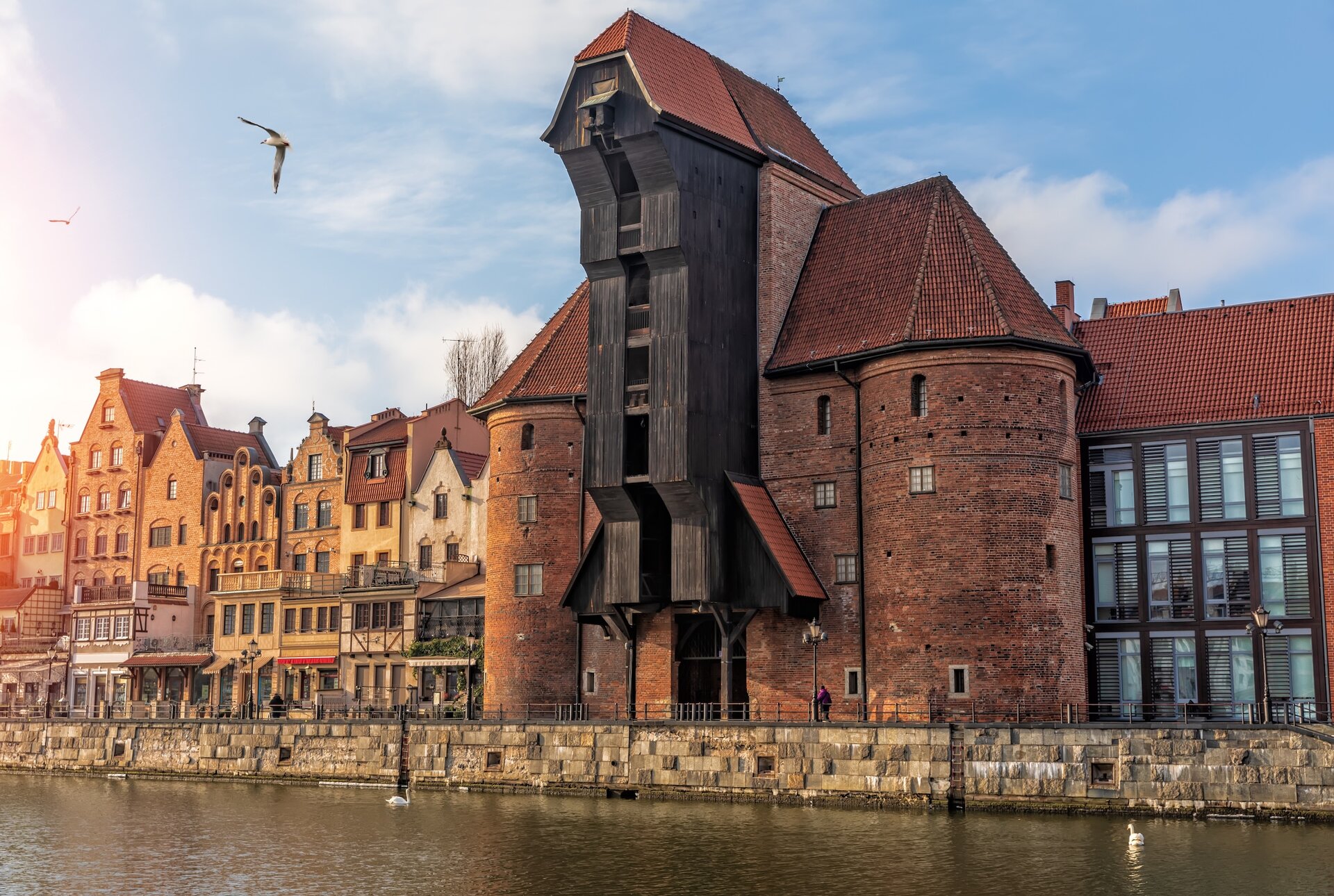
building by the water reservoir Link to Larger Item Photo, ListItemCarouselImage1

Gdańsk Crane

The Crane, located on the Motława River, is the largest and oldest preserved port crane in medieval Europe. Built between 1442 and 1444, it served both as a device for loading goods and as a city gate. Its distinctive silhouette, with a wooden crane mechanism placed between brick towers, has become one of the symbols of the city. Today, the Crane is part of the National Maritime Museum, where you can learn about the history of the port and maritime life in Gdańsk.

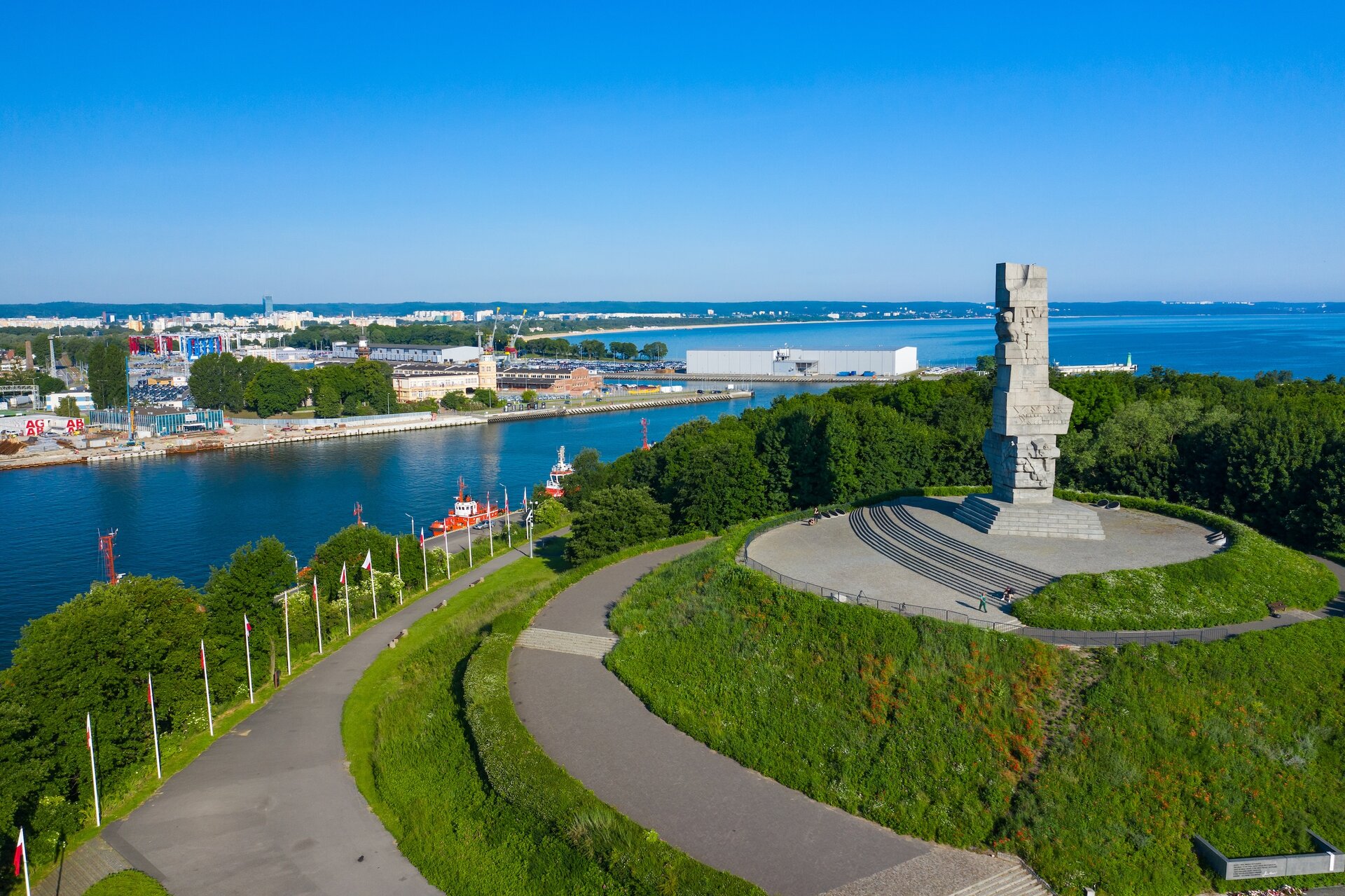
Westerplatte Gdańsk Link to Larger Item Photo, ListItemCarouselImage1

Westerplatte

Westerplatte is a place of great historical significance, where World War II began on 1 September 1939. It was here that Polish soldiers heroically defended the Military Transit Depot against the German attack for seven days. Today, the peninsula is home to the Monument to the Defenders of the Coast, commemorating their heroism. Visitors can also see the remains of fortifications and exhibitions dedicated to the events of September 1939.